
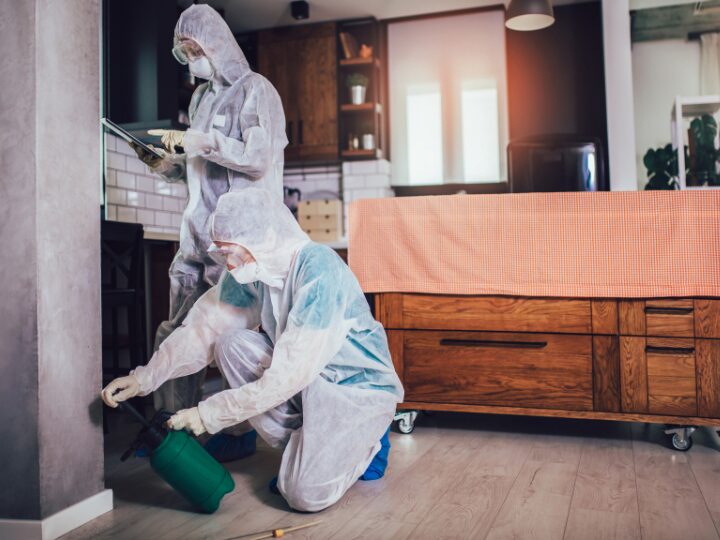
Eco-Friendly Pest Control Solutions Every Homeowner Should Know
As environmental awareness continues to grow, homeowners are increasingly seeking sustainable ways to protect their homes from pests. Traditional pest control methods often rely on chemical-based solutions that may effectively eliminate insects and rodents but can also pose risks to human health, pets, and the environment. Fortunately, there are eco-friendly alternatives designed to keep pests at bay without harming the planet.
In this guide, we’ll explore why eco-friendly pest management matters, discuss some of the most effective natural control strategies, and highlight how choosing a Pest Control Service in Melbourne or Pest Control Service in Sydney that prioritises green solutions can create a safer, healthier home.
✅ Why Eco-Friendly Pest Control Matters
Conventional pesticides can produce long-term consequences. Many contain chemical compounds that linger in the air, soil, and water and contribute to pollution. In addition, these products may trigger allergic reactions, respiratory issues, or skin irritations—particularly among children, the elderly, and pets.
Eco-friendly pest control emphasises prevention, minimal intervention, and the use of natural methods to manage pest populations. Choosing greener options helps:
-
Protect indoor air quality
-
Reduce environmental toxins
-
Prevent contamination of soil and waterways
-
Improve safety for pets and children
-
Support long-term, sustainable pest-free living
With many professional providers now offering green alternatives, it’s easier than ever to safeguard your home responsibly.
✅ Top Eco-Friendly Pest Control Solutions
1. Integrated Pest Management (IPM)
Integrated Pest Management is the cornerstone of sustainable pest control. This approach combines multiple techniques to address pest infestations with minimal environmental impact. IPM focuses on:
-
Identifying pest types and their habitat
-
Removing food, water, and shelter sources
-
Employing biological controls
-
Using natural products only when necessary
Homeowners in major metro areas—especially those who use a Pest Control Service in Melbourne or Pest Control Service in Sydney—can benefit from IPM strategies because these companies often emphasise prevention and provide ongoing maintenance advice.
2. Natural Repellents and Botanical Sprays
Natural repellents derived from plants are an excellent alternative to chemical pesticides. Essential oils such as peppermint, eucalyptus, lemongrass, and tea tree oil can deter spiders, ants, mosquitoes, and other insects. They work because many pests are sensitive to strong scents and volatile compounds.
DIY natural repellent spray:
-
10 drops of peppermint oil
-
10 drops of eucalyptus oil
-
1 cup of water
-
A few drops of dish soap
Spray entry points, window frames, and corners to discourage pests from settling in.
3. Biological Pest Control
Biological control introduces natural predators to eliminate pest populations. Examples include:
-
Ladybugs to reduce aphids
-
Nematodes to eliminates soil-dwelling larvae
-
Birds to reduce caterpillars and insects
This method is chemical-free and incredibly effective. Gardeners especially appreciate biological pest control because it restores ecological balance while protecting crops and plants.
4. Natural Barriers and Physical Controls
Sometimes the simplest approach is the most effective. Physical controls use barriers and traps to prevent pest entry, such as:
-
Mesh screens
-
Door sweeps
-
Sealed cracks and crevices
-
Sticky traps
By blocking entry points, you can significantly reduce infestation risk without pesticides.
5. Heat Treatment
Heat treatment is a non-toxic method that is especially effective against bed bugs, termites, and certain insects. High temperatures eliminate pests without chemicals, making this solution ideal for allergy-sensitive households. Many professional services, including eco-focused providers offering Pest Control Service in Sydney, specialise in advanced heat control methods.
6. Eco-Friendly Baiting Systems
Newer baiting systems use natural attractants and minimal toxins to remove ants, cockroaches, and rodents. These targeted methods reduce collateral damage to non-invasive species and maintain environmental health.
7. Diatomaceous Earth
Diatomaceous earth (DE) is a naturally occurring powder made from fossilised algae. When insects come in contact with DE, it dehydrates them, resulting in safe and effective elimination. DE has no harmful chemicals and is safe around pets and kids when used properly.
✅ Simple Everyday Prevention Tips
Eco-friendly pest control isn’t just about natural sprays or heat treatment—it’s also about maintaining a clean, organised environment. Pests thrive when they have access to food, moisture, and warmth. Homeowners can significantly reduce pest problems with a proactive mindset.
Here’s how:
✔ Maintain clean kitchen surfaces
✔ Store food in airtight containers
✔ Fix leaky pipes and taps
✔ Dispose of garbage regularly
✔ Trim bushes and trees away from the home
✔ Store firewood away from walls
✔ Clean up crumbs and spills immediately
These small, consistent habits can dramatically reduce the chances of pests entering your home.
✅ Hiring Professionals for Green Pest Solutions
While DIY strategies are helpful, professional services may be necessary for persistent or severe infestations. Many homeowners now look for environmentally conscious providers to ensure minimal ecological harm. Whether you partner with a Pest Control Service in Melbourne or hire a Pest Control Service in Sydney, eco-focused solutions ensure effective results without the risks associated with traditional pesticides.
What to look for in green pest control companies:
-
Use of eco-certified products
-
IPM methodology
-
Non-toxic treatment options
-
Staff trained in sustainable practices
-
Transparent inspection and prevention plan
Asking questions and reviewing service philosophies can help you identify whether a provider truly values environmental safety.
✅ Eco-Friendly Pest Control for Specific Pests
Ants
-
Vinegar and water spray
-
Peppermint oil
-
Caulk entry points
Cockroaches
-
Boric acid (use sparingly)
-
Baking soda + sugar mixture
-
Keep areas dry
Mosquitoes
-
Citronella plants
-
Remove standing water
-
Lavender oil spray
Rodents
-
Humane traps
-
Seal holes and ducts
-
Peppermint sachets
Termites
-
Heat treatment
-
Nematodes
-
Sun exposure to infested wood
These targeted solutions keep populations controlled while maintaining eco-safety.
✅ Benefits of Choosing Eco-Friendly Pest Control
✔ Better indoor air quality
✔ Reduced long-term environmental damage
✔ Safe for kids, pets, and gardens
✔ Less likelihood of pesticide resistance
✔ Sustainable long-term results
Eco-friendly pest control not only addresses existing problems but teaches homeowners how to prevent future infestations naturally.
✅ The Future of Eco-Friendly Pest Control
The rise of green pest solutions reflects a bigger trend: people want homes that are healthy and sustainable. From plant-based repellents to technical solutions like heat treatment, eco-friendly pest management is becoming the standard rather than the exception. As more providers adopt responsible practices—especially in major markets like Melbourne and Sydney—homeowners will find it easier than ever to make environmentally conscious choices.
Final Thoughts
Whether you live in a leafy suburb or a busy metropolitan area, pests can be an unfortunate reality. However, eliminating them doesn’t require harsh chemicals or harmful treatments. By embracing eco-friendly strategies—from essential oil repellents to IPM—you can maintain a safe, healthy home while protecting the environment.
Partnering with an expert Pest Control Service in Melbourne or choosing a knowledgeable Pest Control Service in Sydney that values sustainable methods can give you peace of mind and long-lasting protection. With the right combination of preventative habits and eco-friendly interventions, you can enjoy a pest-free home that’s better for you—and the planet.


