
Heat Exchanger Design Principles for Optimal Performance
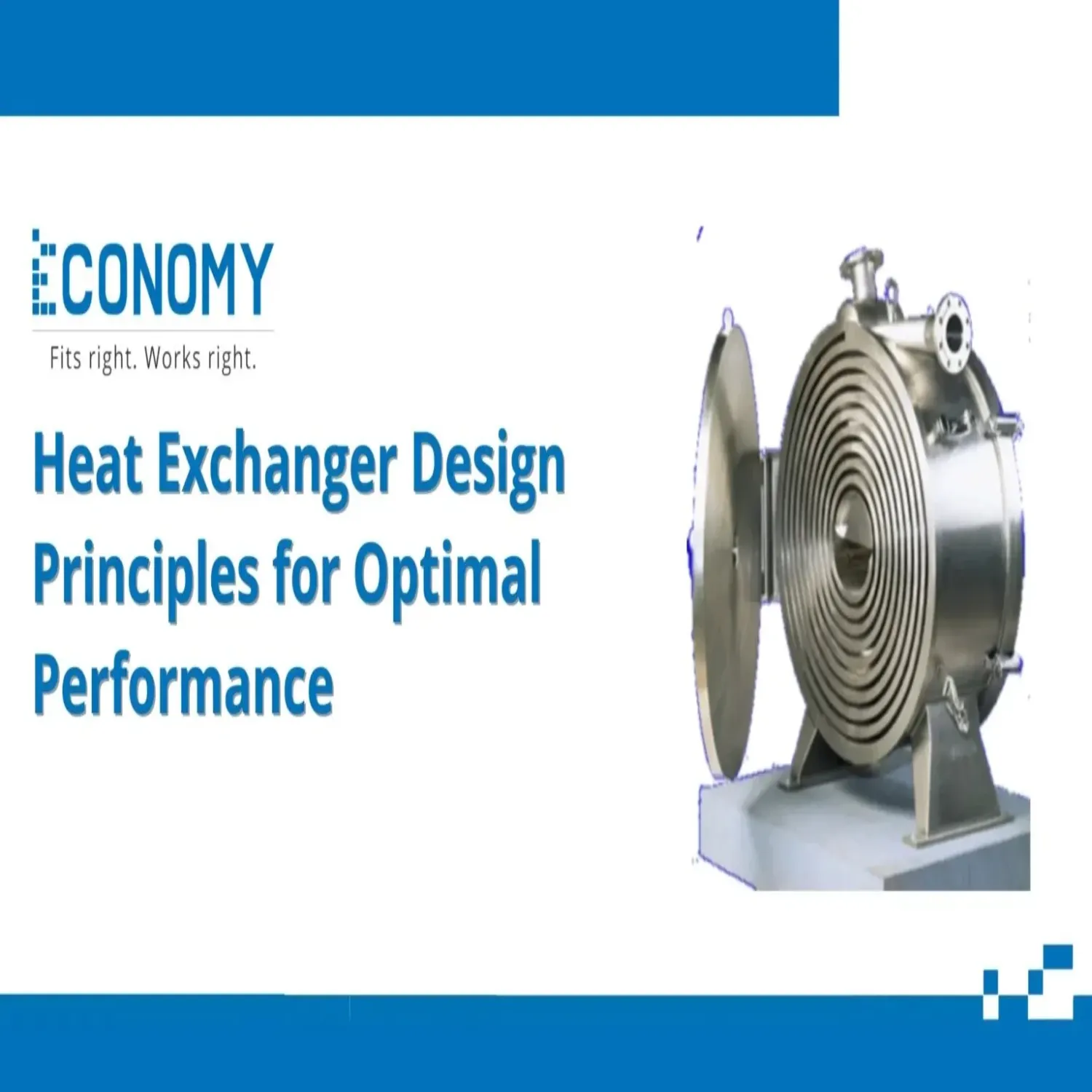
Understanding Economy Solutions In Heat Exchanger Design
In the field of thermal engineering, economy solutions in heat exchanger design play a pivotal role in enhancing efficiency while minimizing costs. The primary goal of these solutions is to achieve optimal heat transfer performance using cost-effective materials and designs. One of the approaches involves the selection of materials that provide an excellent balance between thermal conductivity, durability, and expense. For instance, aluminum and copper are often employed due to their superior thermal properties and reasonable costs.
Economy solutions also emphasize the importance of design simplicity and manufacturability. By streamlining the design process and reducing the complexity of the heat exchanger’s structure, manufacturers can lower production costs and ensure faster turnaround times. This often involves the adoption of standardized components and configurations that can be easily adapted to various applications.
Additionally, innovations in heat exchanger design, such as modular and compact exchangers, contribute significantly to cost reduction. These designs not only reduce material usage but also improve heat transfer efficiency and ease of maintenance, resulting in longer service life and lower operational costs.
Finally, economic solutions are often supported by computational tools and simulation software that enable precise modeling and optimization of heat exchanger designs. These tools help engineers anticipate and mitigate potential inefficiencies, ultimately leading to designs that deliver high-performance outcomes without exceeding budget constraints. By focusing on these strategies, economy solutions in heat exchanger design ensure that industries achieve the desired thermal performance while maintaining fiscal responsibility.
Customizing Heat Exchangers To Meet Specific Process Requirements
Designing heat exchangers to meet specific process requirements is a critical aspect of ensuring optimal performance and efficiency in various industries. Customization allows these devices to address unique needs, accommodating the varied thermal and physical properties of different fluids as well as the specific operating conditions of each application. The customization process often begins with a thorough analysis of the process requirements, including the type of fluids involved, their temperatures, flow rates, pressure levels, and the desired heat transfer performance.
By understanding these factors, engineers can select the appropriate materials, design configurations, and manufacturing techniques to create a heat exchanger that delivers tailored, efficient results.
Material selection is vital for compatibility with the fluids in question, ensuring corrosion resistance, durability, and thermal conductivity. Design configurations can vary from simple shell-and-tube exchangers to more complex plate and frame or spiral heat exchangers, each offering specific advantages depending on the application. Moreover, advanced computational fluid dynamics (CFD) simulations and thermal modeling techniques can be employed to optimize the heat exchanger’s geometry and enhance its performance.
Industry-Specific Applications Of Heat Exchanger Solutions
Applications and Industries of Heat exchangers play a pivotal role in a myriad of industry-specific applications by facilitating efficient thermal management, essential for optimal operational performance. In the chemical processing industry, for instance, heat exchangers are crucial for maintaining the desired temperatures in reactors and separators, ensuring product quality and process efficiency. They enable precise control over exothermic and endothermic reactions, leading to enhanced yield and safety in production processes.
Similarly, in the oil and gas sector, heat exchangers are employed in refining and petrochemical processes to condense vapor, preheat crude oil, and recover process heat, thereby improving energy efficiency and reducing operational costs. The food and beverage industry benefits from heat exchanger solutions for pasteurization, sterilization, and temperature control during various stages of production, ensuring compliance with stringent hygiene standards and extending product shelf life.
The Role Of Custom Solutions In Heat Exchanger Performance
Custom solutions play a pivotal role in optimizing the performance of heat exchangers. Standard designs often fail to meet the unique requirements of specific industrial processes. Tailoring heat exchanger solutions to the precise needs of each application ensures efficient heat transfer, energy savings, and the longevity of equipment. Custom solutions allow for the selection of materials that best withstand the operational environment, reducing wear and corrosion and thereby enhancing reliability and operational lifespan.
By understanding the unique thermal characteristics and flow dynamics of each process, engineers can design heat exchangers that maximize heat transfer while minimizing pressure drops.
Expert Support For Tailored Heat Exchanger Designs
Expert support plays a pivotal role in the tailored design of heat exchangers, ensuring they meet the precise needs of each application and industry. The expertise provided by seasoned engineers and specialists encompasses a comprehensive understanding of thermal dynamics, material science, and process integration, which translates into efficient, reliable, and durable heat exchanger solutions. Customized designs are tailored to address the unique thermal requirements and challenges of specific processes, whether they are in the chemical, petrochemical, pharmaceutical, food processing, or energy sectors.
Expert insight ensures that the design considers all critical factors such as fluid properties, temperature and pressure constraints, fouling tendencies, and maintenance needs.
Maximizing Efficiency And Performance In Heat Exchanger Applications
When it comes to maximizing efficiency and performance in heat exchanger applications, a comprehensive approach that integrates economy solutions, customization, and expert support is essential. Economy solutions focus on cost-effective designs without compromising on quality and performance. Such designs typically utilize standardized components and materials that offer reliable thermal performance at a reduced cost. However, efficiency is not solely a function of cost management; customization for specific process requirements plays a crucial role.
Tailoring the heat exchanger to the particular needs of a process ensures optimal thermal transfer rates, minimizes energy consumption, and enhances overall system efficiency.
Applications across various industries—from food and beverage to petrochemicals—demand specific configurations and materials to withstand diverse operational environments. For instance, corrosion-resistant materials are imperative in chemical processing to maintain integrity and efficiency. Industrial applications also derive significant benefits from custom solutions that are designed and manufactured to exact specifications. These solutions address unique challenges such as space constraints, pressure drops, and flow distribution, thereby maximizing the exchanger’s performance and longevity.


