
How Blood Pressure Monitors Can Prevent Hypertension
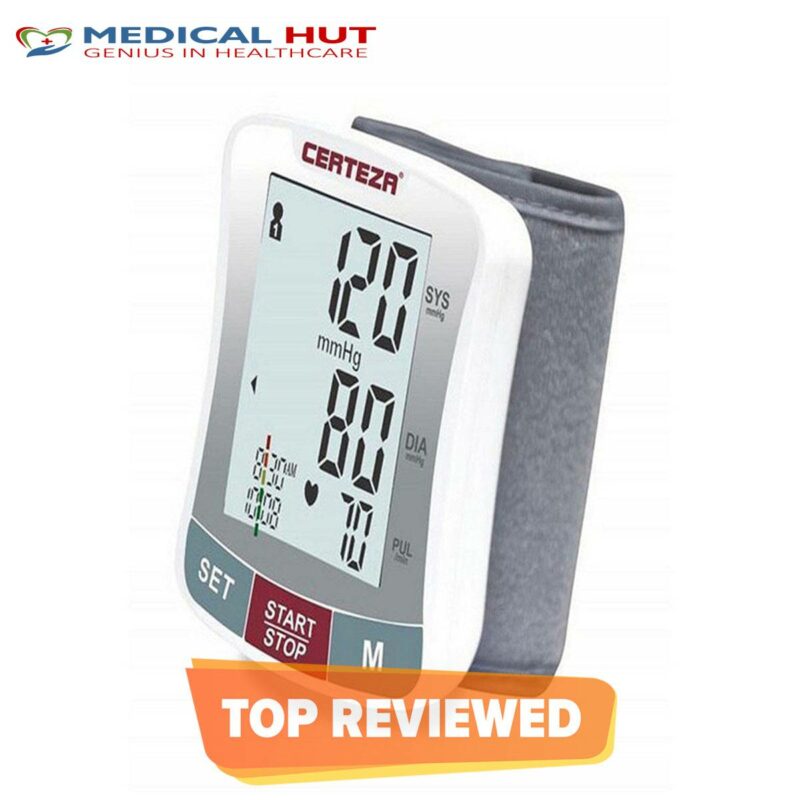
How Blood Pressure Monitors Can Prevent Hypertension
Hypertension, commonly known as high blood pressure, is often called the “silent killer” because it usually has no symptoms but can lead to severe health issues like heart attacks, strokes, and kidney damage. In Pakistan, hypertension is increasingly common, with lifestyle changes, stress, and poor dietary habits contributing to the rise of this condition. Fortunately, regular monitoring with blood pressure (BP) monitors can help individuals prevent, manage, and control hypertension effectively. In this blog, we will discuss the importance of blood pressure monitors, how they aid in hypertension prevention, and what to look for when choosing one.
If you’re looking for high-quality blood pressure monitors in Pakistan, visit Medical Hut for a range of reliable options to ensure proper health monitoring.
What is Hypertension?
Hypertension occurs when the force of blood against the artery walls remains consistently high. A normal blood pressure reading is usually below 120/80 mmHg. When the reading rises above 140/90 mmHg, it is classified as hypertension. Without regular monitoring, individuals may not realize they have hypertension until it causes serious complications.
Uncontrolled high blood pressure can lead to:
- Heart Disease: Increased workload on the heart can lead to heart attacks and heart failure.
- Stroke: High blood pressure can cause blood vessels in the brain to burst or become blocked, leading to strokes.
- Kidney Failure: Hypertension damages kidney arteries, impairing kidney function.
- Vision Loss: It can affect the tiny vessels in the eyes, causing vision problems or even blindness.
How Blood Pressure Monitors Help Prevent Hypertension
1. Early Detection of Hypertension
Blood pressure often rises gradually without noticeable symptoms. Regularly measuring your blood pressure at home helps detect elevated readings early, even before they develop into full-blown hypertension. Early detection allows individuals to take preventive actions, such as modifying their diet or increasing physical activity, to keep blood pressure under control.
Pro Tip: Using a reliable BP monitor from trusted medical suppliers, like those available at Medical Hut, ensures you get accurate readings for early intervention.
2. Monitoring Treatment Progress
For people already diagnosed with hypertension, regular monitoring at home helps track the effectiveness of medications and lifestyle changes. Many patients need adjustments to their treatment plans, and frequent readings provide valuable data to healthcare professionals.
With at-home readings, you can:
- Share accurate reports with your doctor during follow-up visits.
- Adjust your medications based on trends in your blood pressure readings.
- Understand how your body responds to specific foods, activities, or stressors.
3. Empowering Patients Through Self-Monitoring
Using a personal blood pressure monitor promotes self-awareness and responsibility. It allows individuals to understand how their behavior impacts their blood pressure and motivates them to adopt a healthier lifestyle. Patients are more likely to stick to their prescribed medications and diet plans when they see tangible improvements in their BP readings.
4. Avoiding White Coat Hypertension
Many people experience higher blood pressure readings at the doctor’s office due to anxiety, a phenomenon known as white coat hypertension. Monitoring your blood pressure at home provides a more accurate picture of your everyday readings.
Home monitoring helps:
- Eliminate the influence of stress-related spikes during doctor visits.
- Provide a more consistent log of readings throughout the day.
5. Prevention of Complications with Regular Monitoring
By regularly using a BP monitor, individuals can detect sudden spikes or abnormal trends in their readings that might indicate other health problems. Timely intervention prevents complications such as heart attacks and strokes, especially for high-risk patients with diabetes, obesity, or family history of hypertension.
Tips for Choosing the Right Blood Pressure Monitor
Choosing the right blood pressure monitor ensures you get accurate and reliable readings. Here are a few things to consider:
- Type of BP Monitor
- Upper Arm Monitors: These are the most accurate and widely recommended by doctors.
- Wrist Monitors: Easier to carry, but may be less accurate if not used correctly.
- Smart Monitors: These come with Bluetooth connectivity and apps to track readings over time.
- Display and Ease of Use
Look for monitors with large, easy-to-read displays and simple controls, especially if you are buying for elderly family members. - Cuff Size
An ill-fitting cuff can give inaccurate readings. Ensure the monitor comes with a cuff size appropriate for the user. - Memory Storage and Data Tracking
Choose a monitor that stores multiple readings. Some advanced models also offer averages to help track your blood pressure trends over time. - Certification
Ensure that the monitor is FDA-approved or CE-certified for accuracy. High-quality monitors available from suppliers like Medical Hut come with appropriate certifications for reliability.
How Often Should You Check Your Blood Pressure?
The frequency of checking your blood pressure depends on your condition:
- Normal BP: Check once every few weeks or as advised by your doctor.
- Pre-Hypertension: Monitor every 3-5 days to ensure it doesn’t escalate.
- Diagnosed Hypertension: Take readings 1-2 times daily, especially when starting new medications or making lifestyle changes.
Recording your readings in a log or an app helps you and your doctor make better treatment decisions.
Lifestyle Tips to Complement BP Monitoring
Using a blood pressure monitor alone isn’t enough—you also need to adopt healthy habits to maintain optimal blood pressure levels. Here are some tips to complement your monitoring efforts:
- Healthy Diet: Focus on fruits, vegetables, whole grains, and low-fat dairy while limiting salt and processed foods.
- Regular Exercise: Aim for at least 30 minutes of moderate exercise (e.g., brisk walking) most days of the week.
- Reduce Stress: Practice stress management techniques like meditation, deep breathing, or yoga.
- Avoid Smoking and Alcohol: These can raise blood pressure and increase your risk of cardiovascular disease.
- Get Regular Medical Checkups: Monitor other factors like cholesterol and blood sugar levels to maintain overall health.
Where to Buy Reliable Blood Pressure Monitors in Pakistan
If you’re looking for high-quality, certified blood pressure monitors, Medical Hut offers a variety of options to suit your needs. Whether you need a basic home-use monitor or an advanced model with digital tracking, Medical Hut ensures you get the best equipment at affordable prices.
Visit Medical Hut to explore our collection of medical equipment, including blood pressure monitors and other essential healthcare tools.
Conclusion
Monitoring your blood pressure regularly with a reliable BP monitor is one of the most effective ways to prevent hypertension and avoid serious complications. Whether you are managing high blood pressure or trying to maintain healthy levels, at-home monitoring empowers you to take control of your health. It enables early detection, helps you track progress, and ensures you stay on the right path toward better heart health.
For those in Pakistan, having access to accurate and affordable blood pressure monitors is essential. Visit Medical Hut today to explore a variety of BP monitors that can help you stay healthy and prevent hypertension.