
CPR Training Cost: What to Expect for Certification Courses
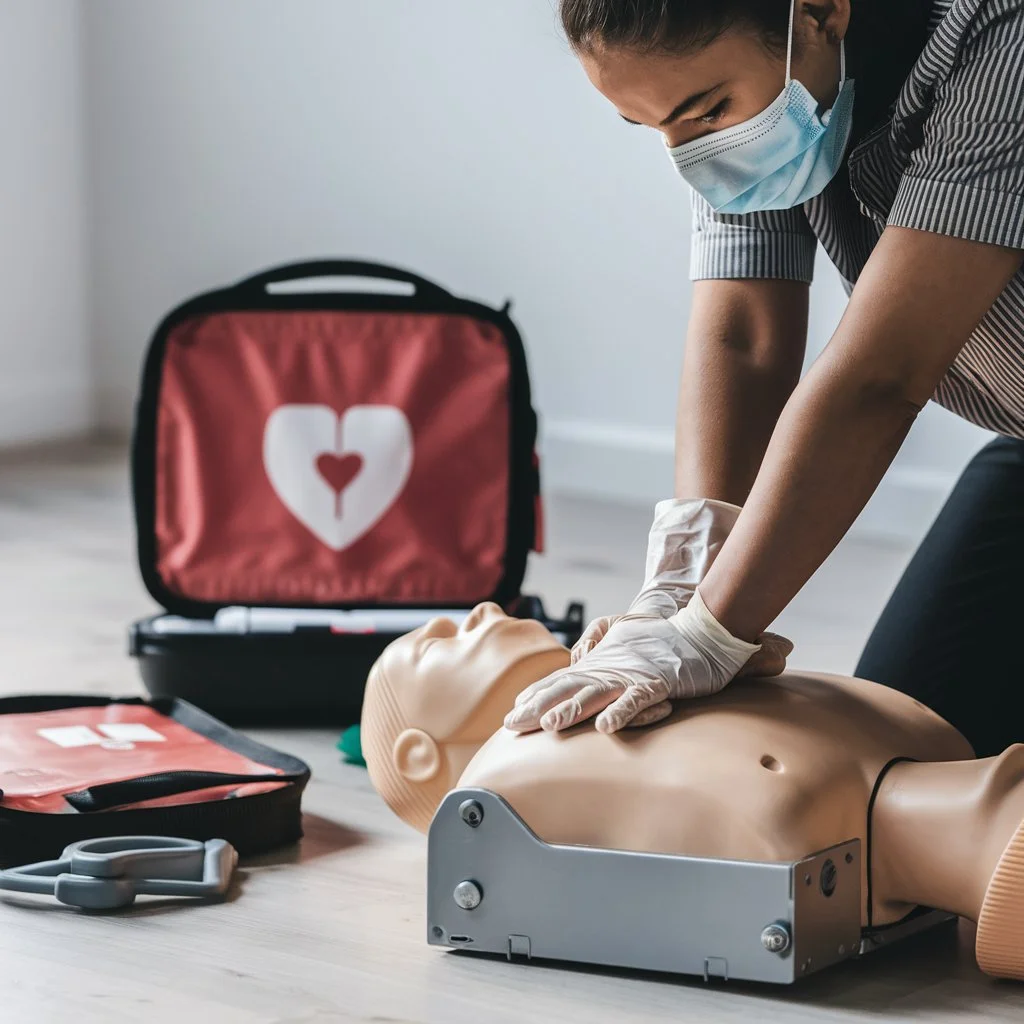
Understanding CPR Training Cost is crucial. The costs associated with CPR certification courses, including Heartsaver First Aid, provide insights into what you can expect from these essential training programs. In 2024, the importance of CPR training cannot be overstated. Whether you’re looking to fulfill a job requirement, enhance your skills, or prepare for emergencies.
Understanding CPR Training Costs
The cost of CPR training can vary widely based on several factors, including the type of course, the provider, and your location in the USA. Here’s a breakdown of what you can expect when budgeting for CPR training:
Basic CPR Training
Basic CPR courses typically focus on essential life-saving skills for adults, children, and infants. These courses are often more affordable and can range from $50 to $100. They are suitable for individuals who need foundational CPR skills for personal or workplace safety.
Heartsaver First Aid CPR AED
The Heartsaver First Aid CPR AED course is designed for non-healthcare professionals who need to be prepared for emergencies. This comprehensive course covers CPR, the use of an Automated External Defibrillator (AED), and basic first aid. The cost for Heartsaver First Aid CPR AED generally ranges from $75 to $150. This course is ideal for those who need a broad skill set and is commonly required in workplaces, schools, and community organizations.
Basic Life Support
Basic Life Support courses are intended for healthcare professionals and offer a more advanced level of training. They include in-depth instruction on CPR, AED use, and advanced life-saving techniques. Basic Life Support training typically costs between $100 and $250, reflecting the advanced nature of the course and its target audience. If you’re a healthcare worker or aiming for a more comprehensive skill set, Basic Life Support training is a valuable investment.
Advanced Life Support Courses
For those in specialized fields, advanced courses such as ACLS (Advanced Cardiovascular Life Support) or PALS (Pediatric Advanced Life Support) may be necessary. These courses are more expensive, often ranging from $200 to $500, and are tailored to specific medical scenarios and professional requirements.
Factors Influencing CPR Training Costs
Several factors can affect the cost of CPR training:
Course Provider
The reputation and accreditation of the provider can impact costs. Reputable providers like CPR with Dr. L offer high-quality training that adheres to the latest guidelines. Their courses may be priced higher but often provide greater value and credibility.
Course Format
Courses are available in various formats, including in-person classes, online courses, and hybrid options. In-person classes may cost more due to the hands-on training provided, while online courses might be less expensive but lack the practical experience of physical classes.
Location
The cost of CPR training can vary based on geographical location. Urban areas or regions with higher living costs may have higher course fees compared to rural or less populated areas.
Certification and Materials
Some courses include the cost of certification cards and training materials in the overall fee. Others may charge separately for these items. Make sure to confirm what is included in the course fee before enrolling.
What to Expect from CPR Training
Course Content
CPR courses typically cover the basics of cardiopulmonary resuscitation, AED use, and first aid. The Heartsaver First Aid CPR AED course includes training for adults, children, and infants, ensuring a comprehensive skill set.
Certification
Upon successful completion of the course, participants receive a certification card valid for two years. This card is essential for meeting job requirements or demonstrating your skills to potential employers.
Practical Experience
Hands-on practice is a crucial component of CPR training. In-person courses provide opportunities to practice skills on manikins and simulate real-life scenarios, enhancing your confidence and competence.
Training Duration
Course duration can vary. Basic CPR courses may be completed in a few hours, while more comprehensive programs like Heartsaver First Aid CPR AED may take half a day to a full day.
Choosing the Right Course
When selecting a CPR training course, consider the following:
Your Needs
Assess why you need the training. For personal safety, a basic CPR or Heartsaver course may be sufficient. For professional purposes, Basic Life Support or advanced courses may be required.
Provider Quality
Choose a provider with a good reputation and accredited certification. CPR with Dr. L is known for its high-quality training and adherence to the latest guidelines.
Cost and Value
While cost is an important factor, consider the value of the training provided. Sometimes, paying a bit more for a reputable provider can offer better quality and assurance.
Course Reviews
Check reviews and testimonials from past participants to gauge the effectiveness of the training and the satisfaction of previous students.
Final Thoughts On CPR Training Cost
Understanding CPR Training Costs and what to expect from certification courses can help you make an informed decision when choosing the right course for your needs. Whether you opt for a basic CPR course, Heartsaver First Aid and CPR AED, or more advanced training, investing in these life-saving skills is invaluable. For high-quality training in 2024, consider enrolling with a trusted provider like CPR with Dr. L. By being prepared with the right CPR skills, you’re not only meeting certification requirements but also gaining the ability to respond effectively in emergencies, potentially saving lives and contributing to a safer community.


