
Pakistani Clothes: A Window into Elegance and Tradition
Introduction
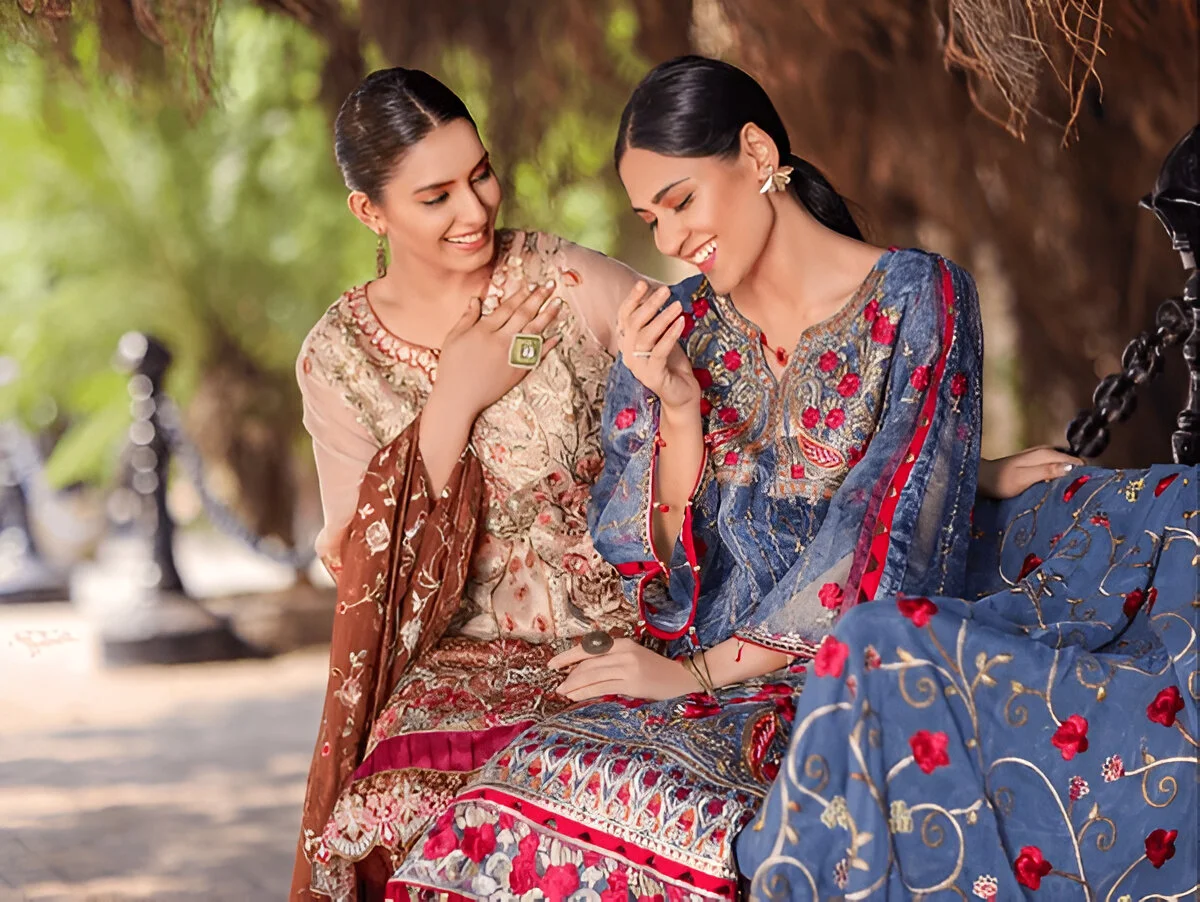
Pakistani clothes are more than just fabric stitched together—they are a representation of culture, tradition, and artistry. Known for their intricate designs and vibrant colors, these outfits symbolize the diverse cultural heritage of Pakistan. Whether it’s the simplicity of everyday wear or the grandeur of wedding attire, Pakistani clothing reflects an exquisite blend of tradition and modernity.
The Essence of Pakistani Clothes
Traditional and Modern Blend
Pakistani fashion effortlessly combines traditional silhouettes with contemporary aesthetics, making it adaptable to modern tastes while preserving cultural roots.
Cultural Representation
Each outfit tells a story, showcasing the regional, historical, and artistic influences of Pakistan’s provinces.
Popular Styles of Pakistani Clothing
Shalwar Kameez
The national dress, shalwar kameez, is loved for its comfort and versatility. Its design varies across regions, each adding a unique touch.
Lehenga Choli
Lehenga cholis, often seen at weddings, are ornate outfits that highlight luxury and festivity.
Sarees
Sarees, though not native, have become a part of Pakistani fashion, appreciated for their elegance.
Kurta Pajama for Men
This timeless attire is a staple for festive and religious events.
Regional Variations in Pakistani Clothes
Punjabi Styles
Known for vibrant colors and phulkari embroidery, Punjabi attire reflects energy and joy.
Sindhi Patterns
Sindhi clothing is recognized for intricate ajrak patterns and mirror work.
Balochi Embroidery
Balochi dresses feature detailed needlework, representing hours of skilled craftsmanship.
Pashtun Attire
Pashtun clothing is marked by modesty, with distinct cuts and vibrant hues.
Fabrics in Pakistani Clothing
Lawn
A summer essential, lawn is lightweight and breathable, making it a favorite during hot months.
Cotton
Perfect for daily wear, cotton outfits are comfortable and practical.
Chiffon and Silk
Ideal for formal events, these fabrics add an element of luxury and sophistication.
Velvet
A winter favorite, velvet offers richness and warmth for colder days.
Embellishments and Embroidery
Zari Work
Metallic threadwork adds a regal touch to dresses, making them ideal for weddings.
Mirror Work
A hallmark of Sindhi fashion, mirror work brings sparkle to outfits.
Tilla and Gotapatti
These techniques involve intricate embroidery with metallic threads, often used in bridal wear.
Occasions for Pakistani Clothes
Weddings
Pakistani weddings are a display of cultural opulence, with each event demanding a unique outfit.
Eid and Religious Celebrations
Festive attire during Eid showcases bright colors and intricate detailing.
Festivals and Cultural Events
Cultural festivals highlight traditional outfits, connecting people to their roots.
Buying Pakistani Clothes Online
Authenticity Checks
To avoid counterfeit products, buy from reputed platforms and check for authenticity certifications.
Popular E-Commerce Platforms
Platforms like Gul Ahmed, Sana Safinaz, and Alkaram Studio cater to global audiences, offering genuine Pakistani fashion.
Modern Innovations in Pakistani Fashion
Fusion Wear
Combining traditional patterns with modern cuts, fusion wear appeals to younger generations.
Western-Inspired Designs
Designers are integrating western styles, broadening the appeal of Pakistani clothing.
Challenges in the Industry
Counterfeiting
The rise in counterfeit products poses challenges to authenticity.
Sustainability Concerns
Efforts are being made to introduce sustainable practices in fashion manufacturing.
Conclusion
Pakistani clothes are a celebration of artistry, heritage, and identity. With their adaptability and elegance, they continue to inspire and captivate audiences worldwide. Whether traditional or modern, every piece reflects the soul of Pakistan’s rich cultural tapestry.
FAQs
1. What makes Pakistani clothes unique?
Pakistani clothes stand out due to their intricate designs, cultural significance, and regional diversity.
2. Which fabric is best for Pakistani outfits in summer?
Lawn is the go-to fabric for its light and airy texture, perfect for summer.
3. How can I identify authentic hand embroidery?
Authentic embroidery features uneven stitches and minor imperfections, unlike machine-made designs.
4. Can Pakistani clothes be customized?
Yes, many designers and online stores offer customization options to suit individual preferences.
5. Where can I buy Pakistani clothes abroad?
Pakistani clothes can be purchased from global e-commerce platforms or local stores specializing in South Asian fashion.
6. What are the most common traditional Pakistani clothes?
Shalwar kameez, kurta, and dupatta are the most commonly worn traditional outfits.
7. How do I style Pakistani outfits for formal occasions?
Pair your outfit with statement jewelry, an embroidered clutch, and matching footwear for an elegant look.
8. Which fabric is best for summer Pakistani clothes?
Cotton and lawn are ideal for summer due to their lightweight and breathable qualities.


